
School and Trauma
16th Annual Zurich Traumadays
Data
Maggie Kline (USA)
Dr. Peter A. Levine (USA)
Marianne Buser Steiger (CH)
Nuria Honauer (CH)
Tom Tafel (CH)
and German translated into English
A limited number of day passes are available at 320 CHF
Winterthurerstrasse 25
8006 Zürich
Overwhelmed nervous systems are increasingly shaping our society—the immense stress caused by relentless demands for performance has also reached our education system. Burnout at school has become an issue not only for teachers, but also for students. Since the coronavirus pandemic, depression rates among young people have also skyrocketed. Boundary violations through physical or emotional-verbal abuse, digital addiction, bullying and blaming on social media, pornography or images of war in the schoolyard, etc. have become constant issues in the school environment. Personal distress has thus become an increasingly widespread part of school life. Traumatized children are shaping the modern school system and overwhelming many school administrators and teachers. The 16th Annual Zurich Trauma Days from June 19 to 21 will therefore focus on the controversial contemporary topic of “SCHOOL AND TRAUMA.”
Ale Duarte has made a name for himself worldwide over the past 25 years with his specialized training courses and emergency interventions on the topic of “children and trauma.” Many of his insights and tips can be directly transferred to the school environment. The Brazilian lecturer, who lives in Vienna, has developed many creative forms of play that enable conscious changes in the overwhelmed nervous systems of schoolchildren. Like Maggie Kline, he also offers specific “PlayShops.” Both will contribute many forms of play and creativity for kids of different age groups from their repertoire. An insight into his work is available via this link, which shows his intervention with traumatized children after the earthquake 2011 in Japan and the devastating tsunami that followed
On each of the three days, a local education specialist will also present the challenges relating to the theme and existing approaches to solving them. At the end of the event, an evaluation will be carried out to determine which of the ideas, exercises, and games discussed can be specifically incorporated into local education.
Friday, June 19, 2026
10 am
Opening
with Dr. Urs Honauer, CH
10.15 am - 11.15 am
On Spaces for Growth and Unlocking Potential:
10 Principles for a Healthy School!
Marianne Buser Steiger, CH
Marianne Buser Steiger offers food for thought on the possible causes and connections of trauma in schools and shares her search for game-changers and key factors that drive trauma-sensitive approaches, with the aim of fostering the courage to fundamentally rethink the school system - on both a small and large scale. In her opening presentation, Marianne Buser Steiger explores the relevant factors of misfit and non-alignment and presents 10 theses on the conditions for success, explaining how schools can become spaces for learning and development - enabling holistic and personality-oriented potential development - through the creative design of differentiated learning architectures. Being seen, heard, valued, and understood are central basic needs that are lacking in severely traumatized children. Through the “Presencing lens,” teachers can not only become more attuned to their own needs but also better “read” students while simultaneously offering them security and guidance.
11.30 am - 1 pm and 2.30 pm - 5.30 pm
Enhancing Emotional Intelligence in the Classroom
Maggie Kline, USA
After laying out the theoretical foundation for her approach, the experienced trauma therapist and author from Long Beach aims to present concrete applications of her ideas from the so-called “play shops” for the classroom. These are activities designed to strengthen not only emotional intelligence but also interoceptive intelligence as an essential part of school. Prerequisites for this are feelings of security and a tangible sense of belonging to the group. The teacher's own sense of security is also essential. If the teacher feels secure in themselves and in their field of work, they can offer this emotional state to their students in a co-regulatory manner, thus inviting a new culture of encounter. Physical sensations and emotions no longer need to be armored and kept in a state of inner emergency, but become changeable parts of the school learning environment. In addition to greater presence and attention to cognitive learning, young people also build their self-competence in this way.
Saturday, June 20, 2026
10 am - 11 am
"BBF"-Pilot Project For A Learning Based on Strength
Nuria Honauer, CH
Outdoor education and learning with animals is particularly relevant for children with trauma-related disorders. It repeatedly brings them back to the present moment, which is very different from the humiliation, shame, and experiences of violence they endured in the past. Through social engagement with children or animals—experienced within a playful, exploratory learning setting in a consistent small group—co-regulation occurs effortlessly. The moments of care and support also serve as building blocks for taking responsibility for other living beings—and they enable important new life experiences regarding closeness and distance. Setting healthy boundaries thus becomes a meaningful part of life. Nuria Honauer presents the Zurich-based concept of Begabungs- und Begabtenförderung BBF (Support for Gifted an Talented Students) and related special projects—while also highlighting the underlying pedagogical approach of curiosity-driven learning and the discovery and deepening of one’s own strengths as an alternative to the deficit-oriented focus and learning experiences that primarily amplify weaknesses in the everyday school life of children, who often carry a generally overlooked traumatic history within them. Examples of such BBF projects include gardening projects, art studios, stable duties involving animal care, or a student newspaper with its own editorial team.
11.00 am - 1 pm and 2.30 pm - 5.30 pm
Mobilization and Self-Regulation
Ale Duarte, BRA
“Regulation First” is the name of the program that Ale Duarte has put together for teachers in schools and therapists who want to support children and adolescents, and for which he has received positive feedback and growing interest internationally. His model focuses on three key pillars:
- How do children mobilize their energy?
- Class structure and meeting space
- Support skills
The realization that teachers often lack knowledge about how to support children in self-regulation has led him to focus particularly on point 2. Many teachers and other caregivers spend up to 50% of their time managing emotional states - and are extremely dissatisfied that they have to do so. This Saturday, Ale Duarte will show how a regulation-friendly classroom and meeting structure can be created. For him, knowledge of the basic dynamics of the nervous system of children with behavioral issues is central to dealing with challenging, mostly trauma-related events. Learning for life (and dealing with trauma) happens on both sides of the encounter, for teachers as well as for students - which has immense social value.
10 am - 11 am
Interacting on Eye Level
Tom Tafel, CH
The range of symptoms and syndromes among both students and teachers is also extensive at the Atelierschule in Zurich. Because Waldorf education aims to awaken what lies hidden within the human being, it is clear to the school’s leadership that this also involves trauma. A trauma-sensitive space is therefore available as a safe place within the school premises during class hours. Tom Tafel, a teacher trained in SOMATIC EXPERIENCING (SE) and specifically responsible for student support, outlines the major challenges and trauma-specific approaches in everyday educational practice.
11.00 am - 1 pm and 2.30 pm - 3.40 pm
Supporting Traumatized Children
Dr. Peter A. Levine (USA)
In his contribution, the founder of SOMATIC EXPERIENCING (SE) shows how children in different age groups can be supported after experiencing trauma so that they do not disrupt the learning process in daycare centers, kindergartens, primary or secondary schools, and into adolescence through freezing, dissociation, or constant (survival) struggles — but rather find their own way of processing the overwhelming events they have experienced. Practical examples are intended to show caregivers and teachers easy-to-use interventions. For the SE pioneer, a trauma-free school is an eminently important peace project.
4 pm - 5.30 pm
Future Workshop based on the information gathered — and a summary of the three days
Dr. Urs Honauer, CH
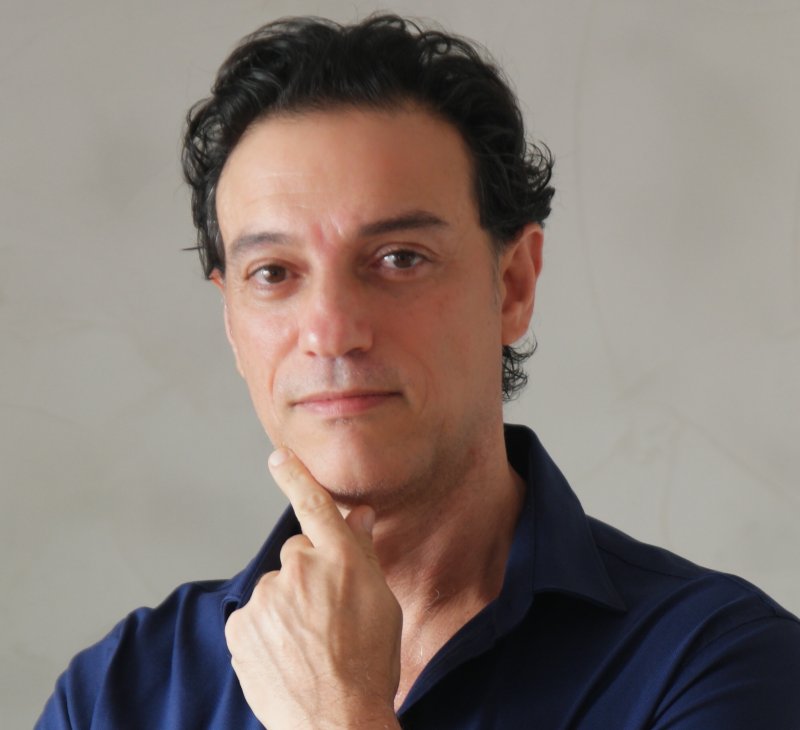
Alé Duarte
Alé Duarte is a somatic therapist and educator with over 30 years of experience in personal development. Recognized internationally for creating innovative somatic methodologies, Alé empowers professionals to navigate complex challenges with clarity and compassion.Alé holds a Master’s degree in Education and Entrepreneurship from Finland and certifications in Somatic Experiencing …

Maggie Kline
Maggie Kline has been a marriage, family and child therapist for over 40 years and is a retired school psychologist. Originally trained in Satir’s Family Systems, Gestalt, and Humanistic Psychology, she specializes in trauma recovery through the lens of Somatic Experiencing and embodied mindfulness. Maggie integrates S.E. concepts with art, dream work, movement, and attachment play when working …
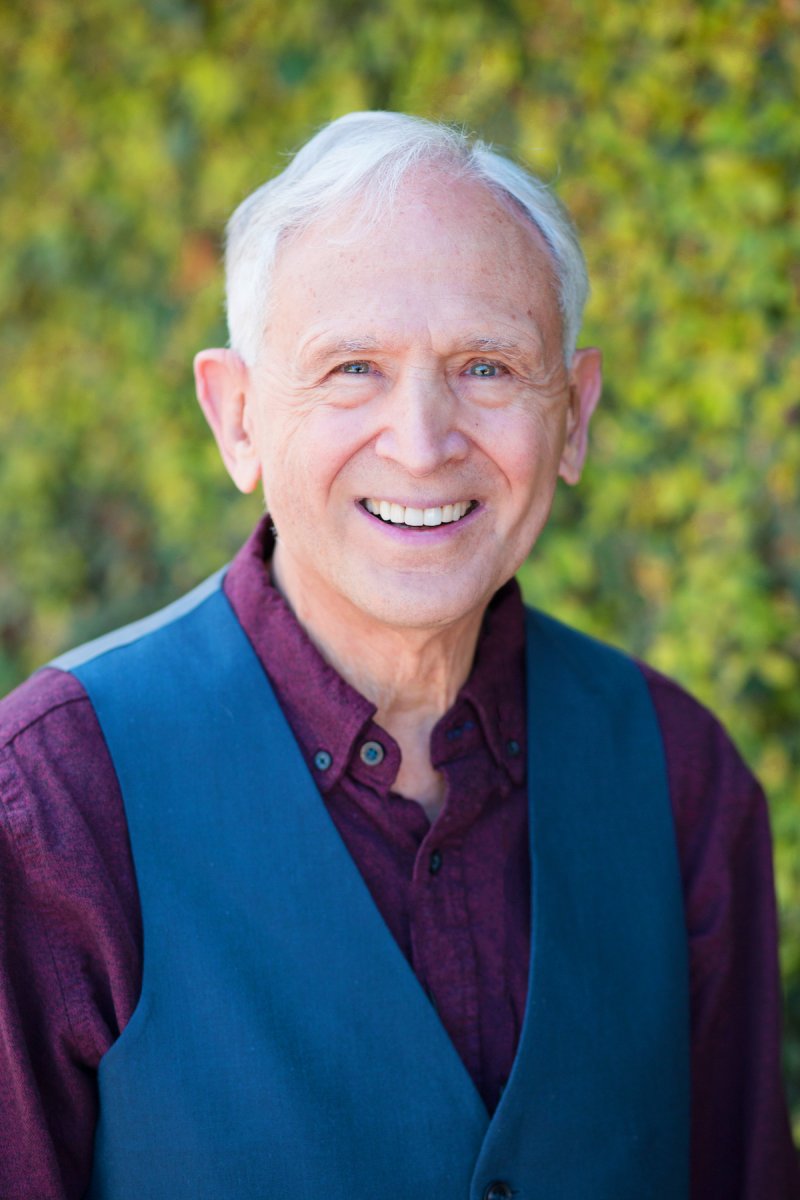
Dr. Peter A. Levine
Peter A. Levine, Ph.D., is the developer of Somatic Experiencing® (SE™), a naturalistic and neurobiological approach to healing trauma, which he has developed over the past 50 years. He holds a doctorate in Biophysics from UC Berkeley and a doctorate in Psychology from International University. He is the Founder and President of the Ergos Institute of Somatic Education and the Founder and …

Marianne Buser Steiger
Even as a young teacher, it was her heartfelt desire to ignite and rekindle a love of learning. Her work centers on questions such as: How can school become a nurturing environment for holistic learning and personal growth? How can intrinsic motivation be fostered and a zest for life cultivated? How can personal development be strengthened through experiences of self-efficacy? And how can …

Nuria Honauer
Nuria Honauer is deeply interested in the joy and curiosity of learning, as well as the ability to immerse oneself in a subject with motivation. After earning her Bachelor of Arts and a teaching certificate from the Institut Unterstrass in Zurich, she pursued a master’s degree in Gender Studies and Educational Sciences at the universities of Basel and Fribourg, where she researched, among other …

Tom Tafel
Tom Tafel has taught at the Zurich University of the Arts (ZHdK), the University of Zurich, the University of Teacher Education, and other key institutions. For the past 20 years, he has worked as a music and theater teacher, class supervisor, substitute teacher, and student mentor at the Atelierschule Zürich. After completing his coaching training in 2021 at the Institute for …
Anmeldung nicht möglich!
Wir haben Sie als Bot (Web-Roboter) identifiziert, bitte verwenden Sie einen anderen Browser oder wenden Sie sich an unseren Kontakt.